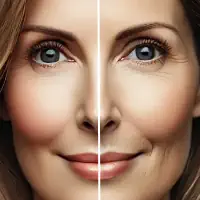
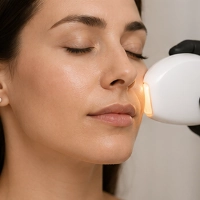
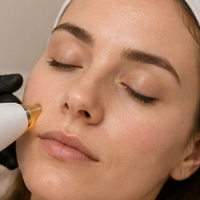
Which types of pigmentation can make skin look less clear even when everything else looks good
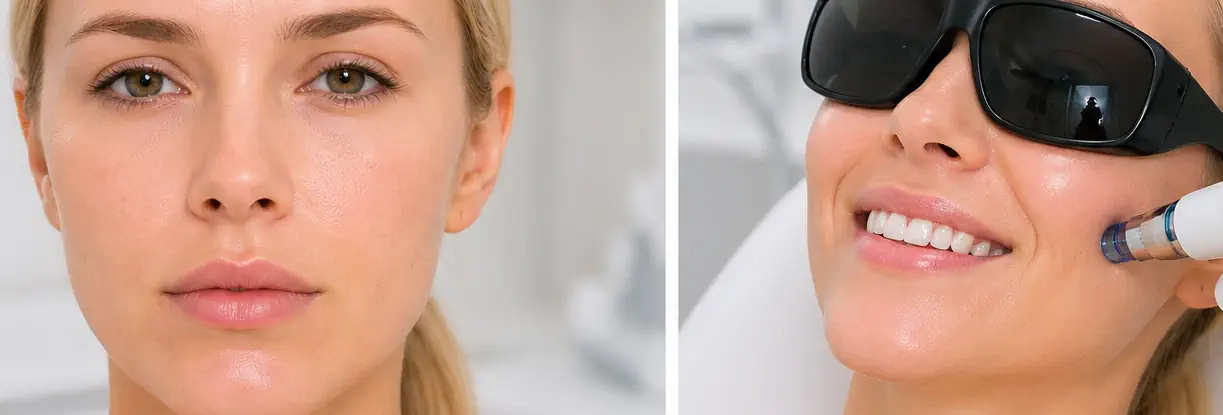
Q-Switch laser is considered when we want to target focal pigment and localized pigmented lesions with a precise technology. It is not a laser for every spot or every type of uneven tone: first we assess whether the concern is a lentigo, a focal pigment deposit or a condition that should be approached differently.
When do we usually consider it?
The indication depends on the pigment pattern, depth and treatment goal. That is why not all spots belong in the same category.
We mainly use this technology when the primary concern is well localized:
If pigmentation is more diffuse or the goal is more related to overall photodamage, it may also be useful to review the page on IPL.
Which pigment concerns I most often treat with Q-Switch Laser
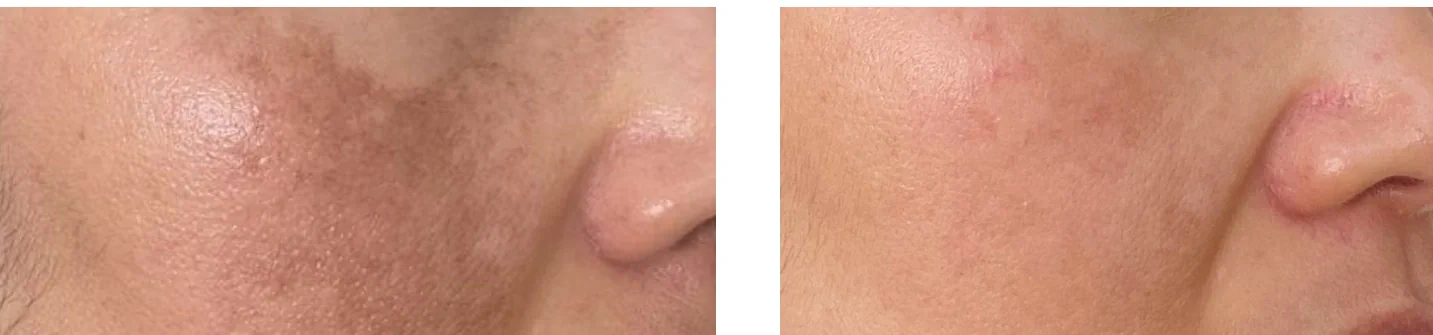
In my practice, Q-Switch Laser often makes sense for patients with lentigines / sun spots, selected sun spots and some cases of melasma, always after careful medical assessment.
Not every type of pigmentation is treated in the same way. Some respond very well to laser, while others require a slower approach using a medical skin-care routine, sun protection, gentle peels or IPL.
That is why the indication depends on the type of pigmentation, depth, color, duration, skin phototype and history of previous treatments.
What else it may improve besides pigmentation
Although many patients ask about pigmentation, Q-Switch may also improve texture, radiance, dull tone and the overall appearance of the skin.
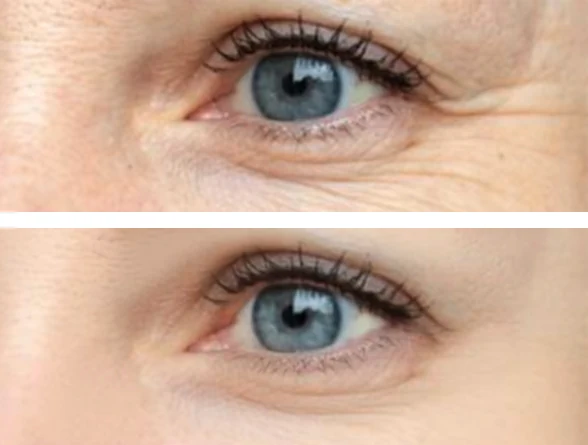
In some patients I also notice improvement in the color and texture of the under-eye area, especially when the goal is to make the skin look more even without producing an abrupt change.
The result is not simply “removing spots”: when appropriately indicated, it can help the skin look more even, fresher and healthier.
When Q-Switch can make pigmentation worse
This point is very important: some pigmentation should not be treated with Q-Switch, while other cases require very specific parameters to avoid worsening. That cannot always be determined from a photograph.
Some patients come to me after poorly indicated laser treatments with darker pigmentation, more reactive skin or less stable melasma. That is why I do not consider Q-Switch an automatic treatment for every type of pigmentation.
Prior medical assessment is what allows us to decide whether laser, IPL, topical treatment—or no energy-based treatment at all—is the better option for that area.
Why medical experience with Q-Switch Laser matters
Q-Switch is a very useful technology, but it also requires clinical judgment. Having the device is not enough: you need to know when to use it, which parameters to choose and which patients are better not treated with it.
I have worked with Q-Switch Laser for more than 7 years and have treated more than 500 patients with this technology. That experience is especially important in complex pigmentation such as melasma, lentigines or mixed pigmentation patterns.
My priority is to improve the skin without causing harm. Each session is therefore adapted to the type of pigmentation, phototype and the patient’s response.
Results and benefits
After treatment, we aim for skin with more even pigmentation and less visible lesions. The goal is not general rejuvenation, but precise treatment of specific areas where pigment has accumulated.
How many sessions are needed?
The number of sessions varies according to the condition being treated, but in general we recommend between 3 and 6 sessions approximately four weeks apart. Results are progressive and reach their maximum effect at around three months after treatment.
Q-Switch Laser prices
3 INTEREST-FREE INSTALLMENTS
With medical assessment and supervision. Options depend on diagnosis and goals.
| Treatment option |
Price |
| Acné |
$380.000 |
| Cuello |
$266.000 |
| Escote |
$380.000 |
| Manos |
$266.000 |
| Melasma Featured |
$380.000 |
| Ojeras o Labios |
$190.000 |
| Rejuvenecimiento |
$380.000 |
* Prices are in ARS and may be updated without prior notice.
Further reading
You can also read about skin, treatments and medical decision-making in our
medical aesthetics blog.