Which skin concerns respond best to IPL and which are better treated with another technology
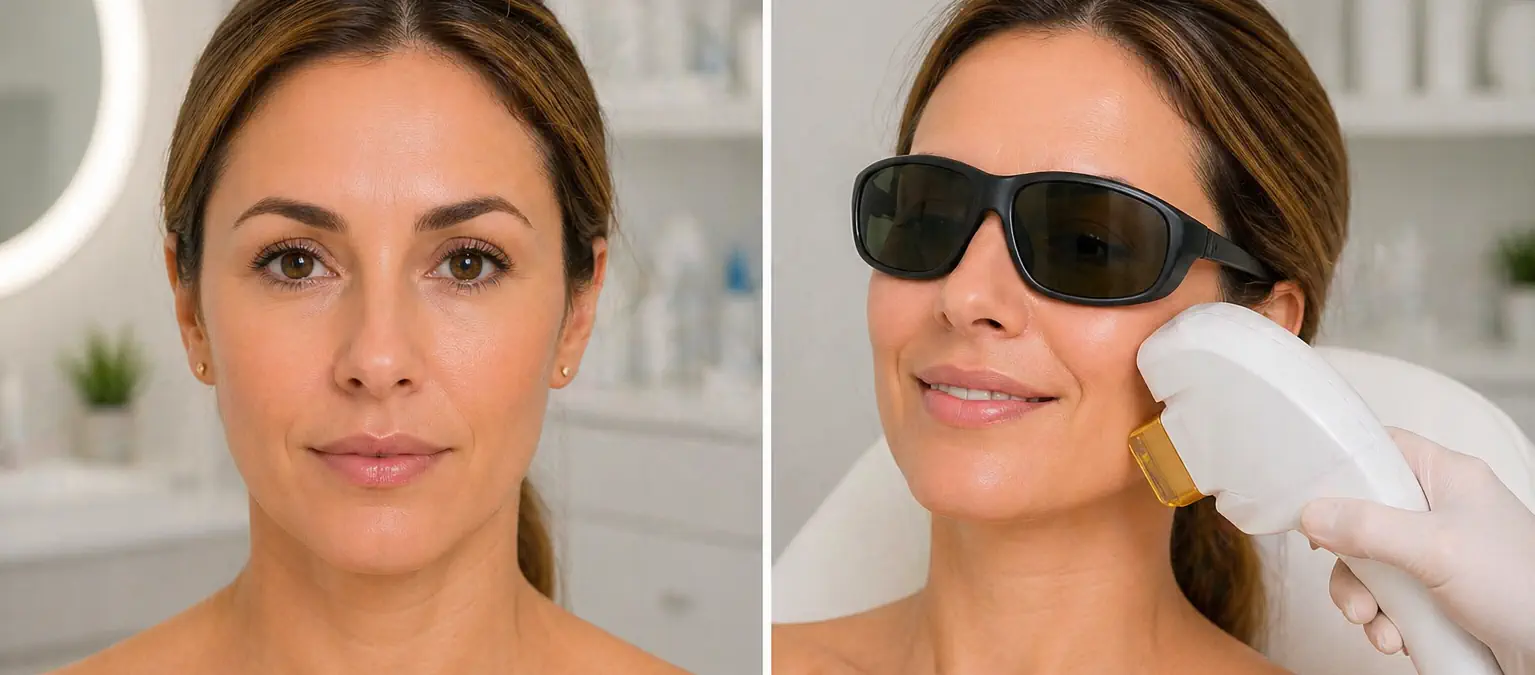
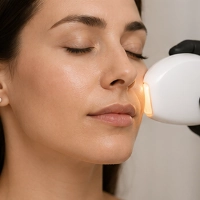
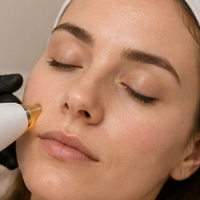
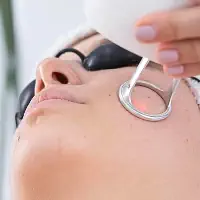
La Intense Pulsed Light (IPL) is used when we want to address vascular rosacea, visible vessels, photodamage and diffuse pigmentation with a progressive approach. It is not a resurfacing technology or a tattoo treatment; it can be especially useful when the skin is also sensitive or reactive.
When do we usually consider it?
IPL is mainly considered when the concern is not concentrated in a single spot but follows a more diffuse or vascular pattern:
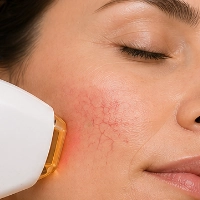
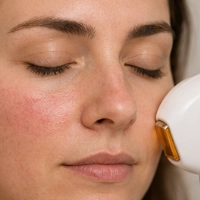
- 🔹 Rosacea and persistent redness: It can help when the vascular component or diffuse redness predominates.
- 🔹 Visible facial vessels: It can improve superficial capillaries and areas of marked redness.
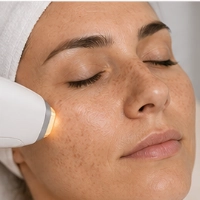
- 🔹 Photodamage and diffuse sun spots: It can even out tone when sun exposure has left more widespread pigmentation.
- 🔹 Sensitive-skin maintenance: It may be considered when we want gradual improvement without treating the skin as though it needs resurfacing.
If the main concern is rosacea, el photodamage or more widespread superficial pigmentation, IPL is often a technology to consider. If the pigment is more focal, it may also make sense to review Q-Switch Laser.
When IPL can be more useful than a spot-focused laser
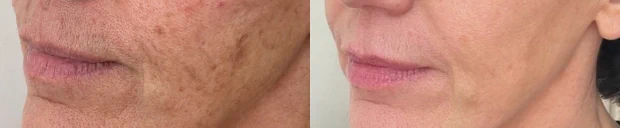
La intense pulsed light often makes sense when the issue is not one isolated spot but skin with uneven tone, redness, superficial pigmentation, sun damage or a dull appearance.
Unlike some more specific lasers, IPL can address several visible features at the same time: color, texture, brightness and overall evenness.
That is why I often consider it when the patient is not concerned about “one spot,” but feels that the skin has lost freshness and looks uneven.
What I use IPL for in practice
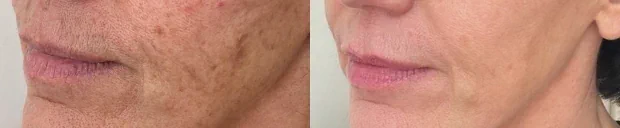
In consultation, I use it particularly for rosacea and redness, superficial pigmentation, lentigines / sun spots y photorejuvenation.
It may also be useful for dull skin, more visible pores or mild uneven texture, provided the indication is appropriate for the skin type and current skin condition.
The choice between IPL, Q-Switch and Erbium depends on what predominates: redness/color, pigment, texture, scars or sun damage.
IPL, Q-Switch or Erbium: how I differentiate them
Not all energy-based treatments are used for the same purpose. IPL is often a very good option when I want to work on redness, superficial pigmentation and overall skin tone.
El Q-Switch Laser I use it more when I need to target pigment more specifically, such as lentigines or selected cases of melasma.
El Erbium makes more sense when the main issue is texture, pores, scars or rejuvenation requiring more intensive skin renewal.
Why the prior assessment changes the result
IPL can produce very good results, but it should not be applied automatically. Before treating, I assess the skin type, phototype, presence of melasma, skin sensitivity and the patient’s actual goal.
This is especially important in skin with pigmentation or a tendency to hyperpigment, because a poor indication can irritate the skin or worsen pigmentation.
When well indicated, IPL can be a very useful tool for achieving more even, fresher-looking skin without changing facial expression or features.
How many sessions are needed?
The number of sessions depends on the individual patient, but in general we recommend between 4 and 6 sessions, approximately four weeks apart. Results are progressive, with the best effect developing over the following months.
Prices and options
3 INTEREST-FREE INSTALLMENTS
With medical assessment and supervision. Ask about current promotions and combinations.
| Treatment option |
Price |
| Neck |
ARS $320.000 |
| Décolletage |
ARS $380.000 |
| Face Featured |
ARS $380.000 |
| Hands |
ARS $228.000 |
Related treatments
IPL · Refreshing treatment
IPL photorejuvenation in Buenos Aires with personalized medical assessment and natural-looking results.
IPL · Lentigines
IPL for lentigines in Buenos Aires with personalized medical assessment and natural-looking results.
Erbium · Controlled resurfacing
Erbium laser resurfacing in Belgrano, Buenos Aires for selected cases of texture, pores, fine lines, superficial scars and sun damage. Recovery, results, risks and medical assessment.
Q-Switch · Pigment-targeting technology
Q-Switch laser in Belgrano, Buenos Aires for selected focal pigmentation, lentigines and some carefully assessed melasma cases. Indications, limitations, sessions, risks and current prices.
Further reading
You can also read about skin, treatments and medical decision-making in our
medical aesthetics blog.