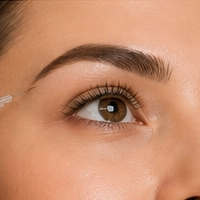
When filler improves balance—and when it only adds volume without improving the face

Hyaluronic acid facial fillers can help correct small losses of support, improve proportions and enhance facial harmony when used in precise areas. The goal is not to add volume for its own sake, but to decide where a minimal correction can improve the face as a whole.
When filler truly improves a face
Facial filler makes sense when it corrects a real loss of support, structure or volume. In patients with bone loss, reduced support or specific areas that need better proportion, hyaluronic acid can improve facial balance without changing identity.
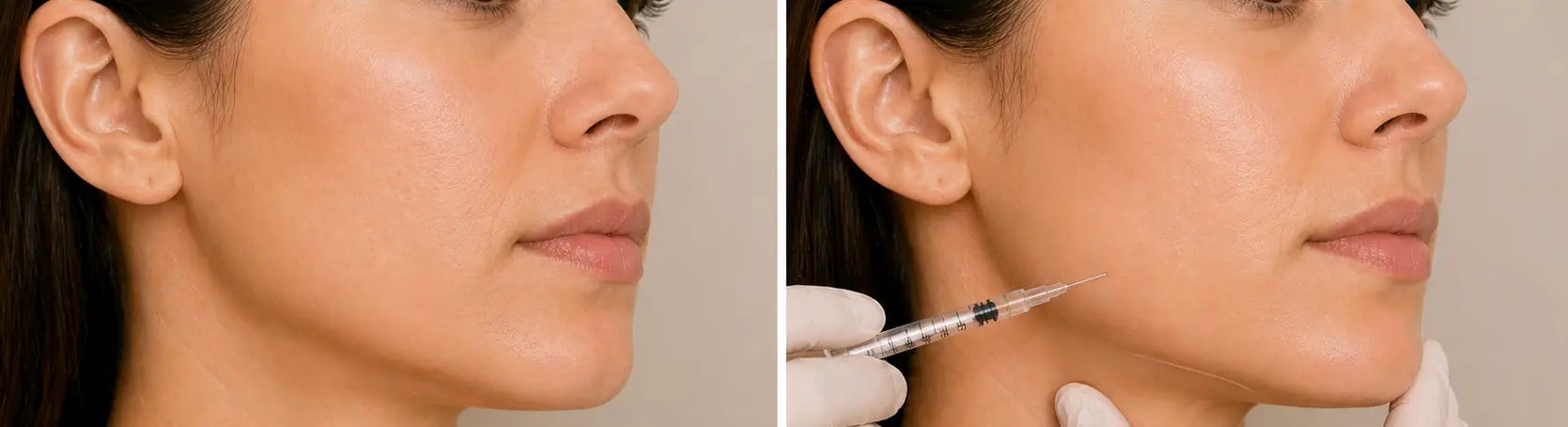
The areas where I most often like to use fillers are the lips and jawline because, when appropriately indicated, precise amounts can improve facial balance with natural-looking results.
When I prefer not to use fillers
There are areas I no longer treat routinely in my practice. I do not perform non-surgical rhinoplasty with filler because the vascular risk is high. I also do not usually fill the nasolabial folds, because in many faces it adds weight and can make downward changes look more noticeable.
I am especially cautious with tear-trough filler: in many patients it can swell when they retain fluid or leave the area looking heavy over time.
Why not every sign of aging should be corrected with hyaluronic acid
Not every face needs more volume. Sometimes the main issue is laxity, skin quality, collagen loss or texture. In those cases, biostimulators, laser, intense pulsed light or radiofrequency may make more sense.
I also see patients with excess filler placed years earlier. Some areas can retain product for a long time, so I prefer to use less, more selectively, rather than keep adding volume where the face already looks heavy.
The areas where I most often use fillers
In my practice, some of the best results are seen in the lips and jawline. With lips, the goal is not always enlargement: often it is definition, hydration, better proportion or restoring lost structure.
Along the jawline, filler can improve contour and support when the indication is appropriate. It does not replace biostimulators or skin-quality treatments, but it can be very useful when structural support is lacking.
Results and duration
The effect is immediate; the final result is easier to assess after a few days. Typical duration: 6–18 months, with gradual natural resorption and possible touch-ups.
Prices and options
3 INTEREST-FREE INSTALLMENTS
Includes medical assessment and a follow-up touch-up at no additional charge.
| Treatment option |
Price |
| Hyaluronic Acid Featured |
ARS $520.000 |
| Hyaluronic Acid |
ARS $520.000 |
| Hyaluronic Acid |
ARS $520.000 |
| Lips |
ARS $520.000 |
| Marionette Lines |
ARS $520.000 |
| Chin + Jawline |
ARS $520.000 |
| Tear Troughs |
ARS $520.000 |
Further reading
You can also read about skin, treatments and medical decision-making in our
medical aesthetics blog.